
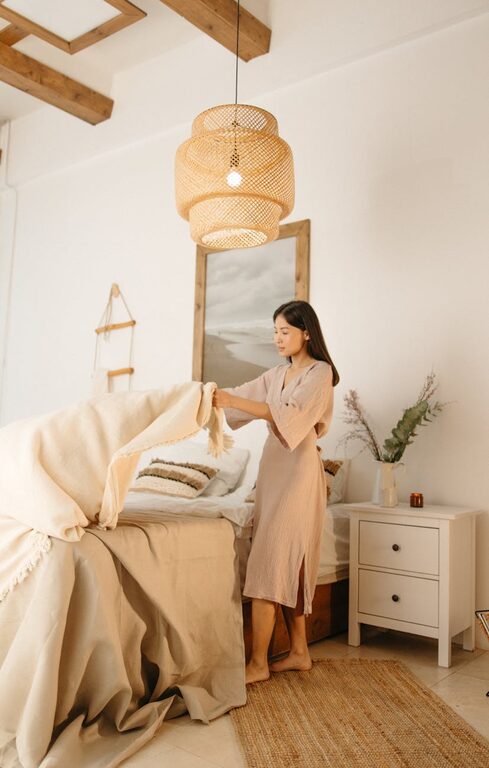
Creating a peaceful and inviting atmosphere in your home often begins with the colors you choose for your walls, furniture, and accessories. Calm colors can help reduce stress, promote relaxation, and make spaces feel more harmonious. Whether you’re redecorating your living room, bedroom, or any other area, selecting the right colors is key. In this blog post, we’ll explore tips and ideas to help you choose calming colors for your home that suit your style and create a serene environment.
Why Choosing Calm Colors Matters
Colors influence our mood and emotions. Bright or intense colors such as red or neon shades can energize a space but might also cause feelings of restlessness if overused. On the other hand, calm colors are soft, muted, or neutral tones that promote tranquility and balance. By using calming colors thoughtfully, you can transform your home into a sanctuary where you can unwind and recharge.
Understanding Calm Colors
What Are Calm Colors?
Calm colors often include:
– Soft blues: Evoke the sky and water, encouraging a sense of openness and peace.
– Gentle greens: Remind us of nature, symbolizing growth and renewal.
– Muted neutrals: Such as beige, taupe, and soft greys, which provide a subtle backdrop.
– Pale lavenders and blush pinks: Add a delicate, soothing warmth to spaces.
These colors tend to have low saturation and lighter tones, making them easy on the eyes and ideal for creating a restful environment.
Tips for Choosing Calm Colors for Your Home
1. Consider the Room’s Purpose
Different rooms benefit from different colors depending on their function:
– Bedrooms: Aim for soft blues, gentle greens, or pale greys to enhance relaxation.
– Living rooms: Neutral tones mixed with calming blues or warm taupes create inviting social spaces.
– Bathrooms: Light, fresh colors like mint green or seafoam blue can evoke cleanliness and calmness.
– Home offices: Muted greens and blues can improve focus and reduce stress.
2. Start with a Color Palette
Instead of choosing a single color, create a soothing palette of two to four colors that complement each other. For example, pair a soft blue with pale grey and white accents. This approach adds depth without overwhelming the space.
3. Use the 60-30-10 Rule
Apply the popular interior design rule with calm colors to balance your space:
– 60% of the room’s dominant color (walls or large furniture)
– 30% of a secondary color (upholstery, rugs)
– 10% accent color (pillows, art, décor)
This formula ensures variety while maintaining harmony.
4. Test Colors in Your Space
Natural and artificial lighting affect how colors appear. Paint sample swatches on your walls and observe them throughout the day to see how they shift in different light. This helps avoid surprises and ensures your chosen colors feel calming in all conditions.
5. Incorporate Textures and Patterns
Calm colors become even more inviting when combined with soft textures and subtle patterns. Consider fabrics like linen, cotton, and plush rugs in your selected hues to add warmth and interest without disrupting the calm atmosphere.
6. Avoid Overly Cool or Warm Shades
While blues and greens are calming, extremely cool or dark versions can feel cold or uninviting. Similarly, overly warm pastels like peach or coral might feel more energizing than calming. Aim for balanced, moderate shades that feel comfortable.
7. Add Natural Elements
Pairing calm colors with natural materials like wood, stone, or plants enhances the restful vibe of a room. Greenery not only complements muted colors but also refreshes the space and improves air quality.
8. Keep It Simple
Minimalism works well with calm colors. Avoid clutter and focus on a few well-chosen items in your color scheme to maximize tranquility.
Popular Calm Color Choices
Here are some popular calm colors to consider:
| Color Name | Description | Best For |
|——————|———————————-|————————|
| Soft Sky Blue | Gentle and airy | Bedrooms, living rooms |
| Sage Green | Earthy and grounding | Kitchens, offices |
| Pale Grey | Neutral and versatile | All rooms |
| Misty Lavender | Subtle warmth with a hint of color | Bedrooms, bathrooms |
| Warm Taupe | Cozy and understated | Living areas |
Final Thoughts
Choosing calm colors for your home is a rewarding way to create spaces that soothe the mind and welcome relaxation. By considering the room’s purpose, testing colors in your environment, and balancing your palette, you can achieve a beautiful, serene home that feels like a true retreat.
Remember to keep the overall look simple, incorporate natural elements, and select shades that resonate with you personally. With these tips in mind, your home will naturally feel calm and inviting.
—
If you’re planning your next home refresh, start with calm colors—they’re a simple yet powerful way to transform your living space into a peaceful haven. Happy decorating!