
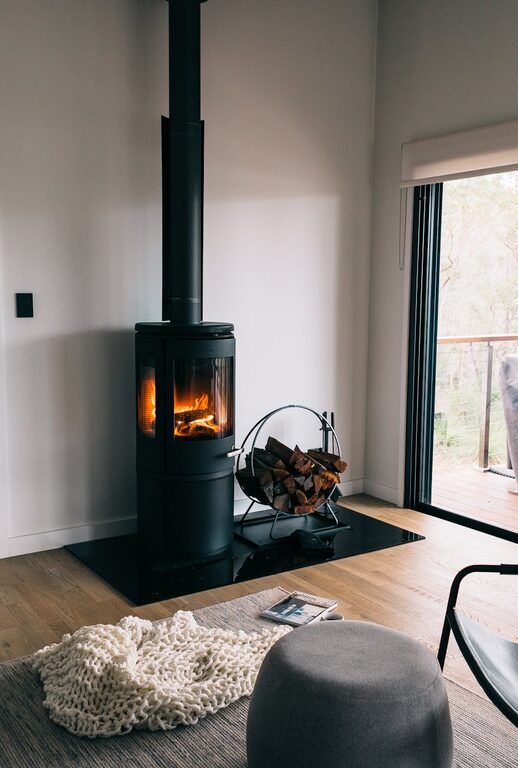
Planning a no-stress weekend can be a wonderful way to recharge your energy and improve your overall well-being. Whether you’ve had a hectic week at work or just need some downtime, dedicating intentional time to rest and relaxation is essential. In this post, we’ll walk you through practical steps to design a weekend that leaves you feeling refreshed and ready for the week ahead.
Why a No-Stress Weekend Matters
Stress can build up quickly and affect both your physical and mental health. Weekends offer a prime opportunity to unwind, but often they get filled with chores, social obligations, or last-minute errands. Purposefully planning your weekend helps break this cycle, giving you time to relax without feeling rushed or overwhelmed.
Step 1: Set Realistic Expectations
Avoid overloading your weekend with too many tasks or plans. Instead, be clear about what you want to achieve. It might be complete rest, spending quality time with loved ones, or indulging in hobbies. Keep your goals manageable and focused.
Tips for Setting Expectations:
– Write down your most important weekend goals.
– Prioritize relaxation over productivity.
– Accept that it’s okay to say “no” to additional plans.
Step 2: Plan Your Time
While it sounds counterintuitive, scheduling some activities can actually reduce stress. By carving out time for relaxation, fun, and necessary errands, you lessen the chances of feeling rushed.
Sample Weekend Schedule
– Friday Evening: Light dinner, no screens, early bedtime
– Saturday Morning: Gentle exercise or walk outside
– Saturday Afternoon: Reading, hobbies, or a casual outing
– Saturday Evening: Home-cooked meal and a favorite movie
– Sunday Morning: Sleep in, followed by a healthy breakfast
– Sunday Afternoon: Minimal chores, meditation, or quiet time
– Sunday Evening: Prepare for the week ahead with calm planning
Step 3: Create a Relaxing Environment
Your surroundings impact how relaxed you feel. Simple changes can boost calmness and reduce anxiety.
Ways to Enhance Your Space:
– Declutter common areas before the weekend.
– Add soothing elements like candles or soft lighting.
– Play gentle music or nature sounds.
– Open windows for fresh air and natural light.
Step 4: Disconnect from Technology
Phones and computers often add stress through constant notifications and news updates. Taking regular breaks from digital devices can greatly improve relaxation.
How to Unplug:
– Turn off work email alerts.
– Set specific times to check social media.
– Engage in offline activities like reading or puzzles.
– Use “Do Not Disturb” mode during rest periods.
Step 5: Focus on Self-Care
Weekends are a great time to practice self-care routines that you might skip during the busy week.
Self-Care Ideas:
– Take a warm bath with essential oils.
– Try gentle stretching or yoga.
– Prepare and eat nutritious meals.
– Practice mindfulness or meditation.
– Spend time outdoors in nature.
Step 6: Enjoy Low-Key Activities
Choose activities that are enjoyable but not demanding. This encourages relaxation without pressure.
Low-Key Weekend Ideas:
– Casual board games or puzzles.
– Watching your favorite shows or movies.
– Visiting a nearby park or garden.
– Listening to audiobooks or podcasts.
– Journaling or sketching.
Step 7: Prepare for the Week Ahead
A small amount of gentle preparation can ease Sunday evening worries and set a positive tone for Monday.
Simple Preparation Tips:
– Lay out outfits for the week.
– Meal prep easy lunches or breakfasts.
– Make a to-do list with top priorities.
– Set a reasonable bedtime to ensure rest.
Final Thoughts
Planning a no-stress weekend involves intentionally balancing rest and light activity, creating a calm environment, and setting boundaries around technology and commitments. By following these steps, you can make weekends something to look forward to—days that refresh your mind and body without added pressure.
Remember that the goal is to feel relaxed and recharged, so be kind to yourself and adjust your plans as needed. A peaceful weekend might be the best gift you give yourself all week!